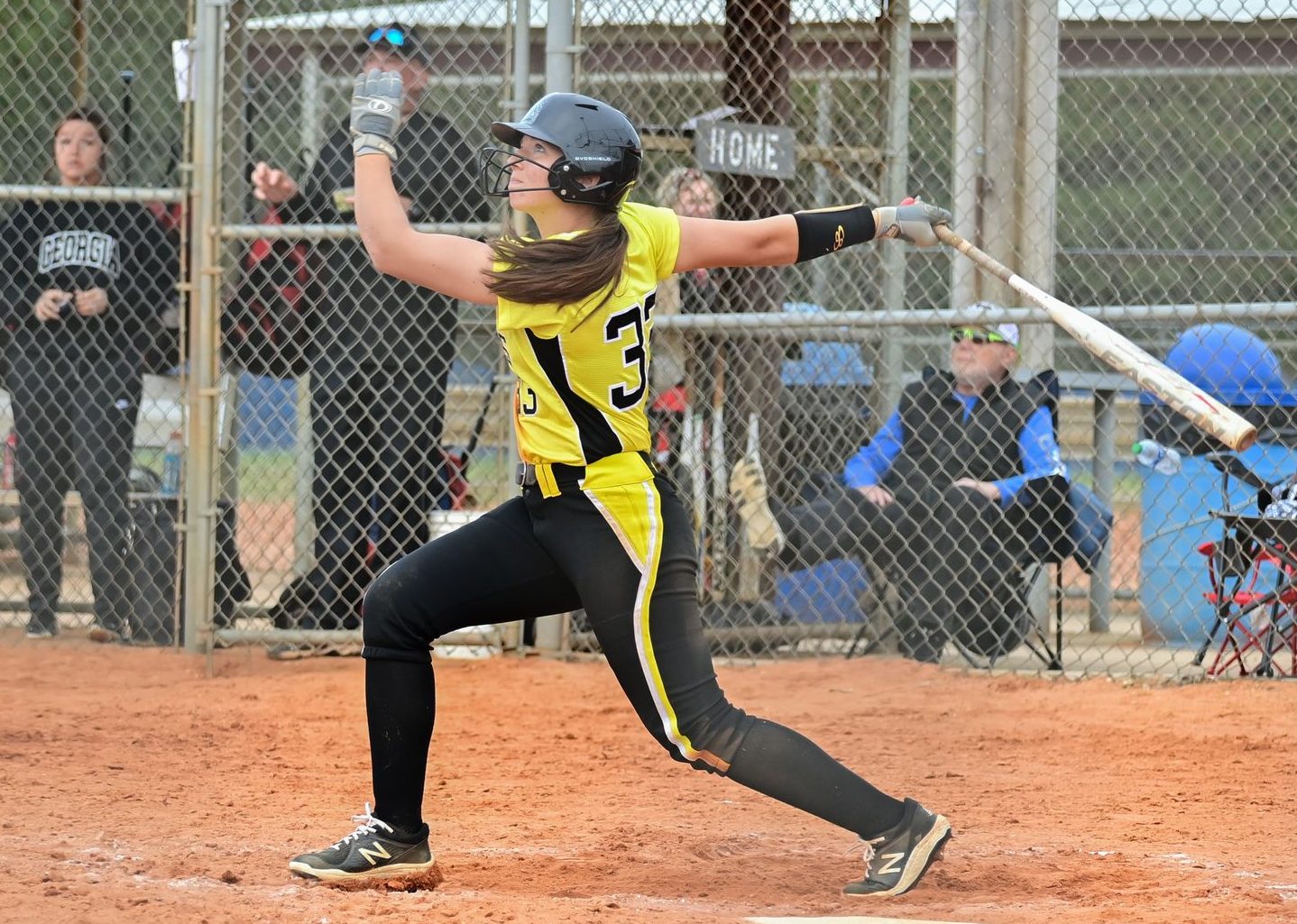
Your emails to college coaches are one of the most important tools in your college recruiting process. Whether you’re introducing yourself for the first time, following up after an event, or sending a season update, every email should make it easy for coaches to understand who you are, why they should evaluate you, and why you are interested in their program.
A great recruiting email isn’t about writing the longest message or using the fanciest words. It’s about providing the right information, showing genuine interest, and making it easy for a coach to take the next step.
Before you hit send, remember the purpose of every recruiting email: help coaches understand who you are, why they should evaluate you, and why you’re interested in their program.
With that in mind, let’s break down exactly what every email should include.
1. Your Name, Graduation Year, and Position
This might seem obvious, but you’d be surprised how often athletes forget these basics.
College coaches are communicating with a lot of athletes.
A lot.
Your job is to make it easy for them to quickly understand:
- Who you are
- When you graduate
- What position you play
Include this information right away.
For example:
Hi Coach Smith,
My name is Sarah Johnson, and I am a 2027 midfielder at Central High School.
Within one sentence, the coach knows exactly who they are talking to.
No detective work required.
2. Your School, Club/Travel Team, and GPA
Your athletic identity matters—but college coaches are recruiting the whole student-athlete.
Make sure every email includes:
- Your high school (including city & state)
- Your club or travel team (if applicable)
- Your GPA
Why include this every time?
Because coaches are constantly evaluating fit.
They want to know:
- Are you academically eligible?
- Do you fit the standards of their institution?
- Can they see you succeeding as a student-athlete?
Your academics are part of your recruiting profile, not an afterthought.
3. Your Contact Information
This seems basic, but you’d be surprised how often athletes make coaches work to find this information.
Make it easy for coaches to respond.
Every email should include:
- First and last name
- Phone number
- Email address
If applicable, you can also include:
- Hudl link
- Recruiting profile link
- Social media link
Remember: The easier you make it for coaches to evaluate and contact you, the better.
4. A Clear Purpose for the Email
One of the biggest mistakes athletes make is sending an email without making the reason for contacting the coach clear.
A coach should know within the first few sentences:
Why are you reaching out?
Don’t make coaches hunt for the purpose of your email.
Examples:
“I am reaching out because I am interested in learning more about your program and whether I could be a good fit for your 2027 recruiting class.”
“I wanted to share my upcoming tournament schedule and updated highlight video.”
“I recently visited campus and wanted to follow up because I really enjoyed learning more about your program.”
Your email should have a clear reason — not just a general “Hello, I’m interested.”
5. A Link to Your Highlight Reel / Skills Video
Yes, even if you’ve already sent it. Yes, even if they’ve watched it before.
Include your film. Every time.
Why? Because coaches receive hundreds (sometimes thousands) of messages. Your email might be opened days, weeks, or months after you sent it.
Make their job easier. Don’t make them search through old emails to find your video.
Include:
- Highlight reel
- Skills video
- Updated film when available
Think of your video as one of your biggest recruiting tools. Make sure it’s always one click away.
6. Your Upcoming Schedule
One of the biggest mistakes student-athletes make is sending emails without telling coaches where they can see them play.
College coaches can’t watch everyone. Help them know where you’ll be.
Include upcoming:
- Tournaments
- Showcases
- Camps
- Competitions
- Games
- Events
For example:
I will be competing at the Midwest Showcase July 12-14 with XYZ Club. I would love for you to watch me compete if your schedule allows.
This gives coaches a clear opportunity to evaluate you.
Remember: You are not just hoping coaches find you — you are creating opportunities for them to find you.
7. Your Genuine Interest in Their Program
This might be the most important part of your email.
Coaches want to know: Why them?
Your email should never feel like a copy-and-paste message sent to 100 schools.
Show that you’ve done your research. Mention something specific about their program:
- Academic programs you’re interested in
- Team culture
- Coaching philosophy
- Recent accomplishments
- Style of play
- Campus environment
Instead of:
“I would love to play for your program.”
Try:
“I was impressed by the team’s strong defensive identity and the way your players continue to develop throughout their careers. I believe your program aligns with the type of environment I’m looking for.”
Specific beats generic every time.
8. A Clear Next Step
This is something many athletes miss.
Don’t end your email with only:
“Thank you for your time.”
That’s polite, but it doesn’t move the conversation forward. Give the coach an easy next step.
Examples:
“I would appreciate the opportunity to learn more about your program.”
“Would you be available for a quick phone call sometime in the next few weeks?”
“I would love to connect with you at the upcoming showcase.”
“Please let me know if there is any additional information I can provide.”
Make responding easy.
9. A Professional Email Signature
Your email signature is part of your recruiting brand. Treat it like a digital business card.
First Last Name
Class of 2027 | Position
High School | Club Team
Phone Number
Email
Highlight Video Link
Optional:
- Recruiting profile
- Professional social media accounts
A polished signature shows coaches that you take the process seriously.
The Goal of Every Recruiting Email
The purpose of an email to a college coach is not to write a novel. Coaches are busy and often skim emails anyway.
Your goal is to:
- Provide the right information
- Show genuine interest
- Make evaluation easy
- Create an opportunity for conversation
Remember: Coaches don’t need a perfect email. They need an email that makes it easy to understand who you are, what you bring, and why you’re interested.
Leave a Reply